
"coffee cultivation Madagascar"
200 article(s) found
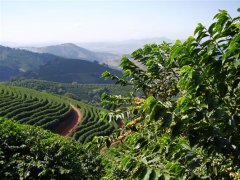
Madagascar is basically the producer of Robbins Coffee, boutique coffee flavor.
Boutique coffee is fresh coffee. Whether it's food or drink, of course, the fresh the better, and so is boutique coffee. High-quality coffee should keep the coffee beans fresh before making, including the preservation of baked beans, and grind the coffee beans into powder before making, which is also to retain its original and best flavor. And the way of making hand-made coffee is such a way to make high-quality coffee.

Introduction to Malagasy Coffee Flavor Malagasy Coffee characteristics
The Malagasy government plans to develop about 2000 hectares of Robart coffee plantations and about 5000 hectares of Arabica coffee plantations. Therefore, the development of the coffee industry on the island depends on its potential in Arabian coffee, and once successfully developed, this coffee is expected to become the best. The origin of Madagascar coffee: Madagascar (Madagascar) is basically
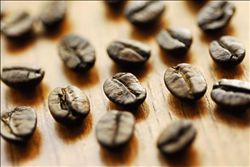
The method of growing Malagasy coffee beans
Madagascar (Madagascar) is basically a producer of Robbins Coffee, but plans to increase the cultivation of Arabica beans. Since 1989, the coffee industry on the island has been privatized and many regulations have been lifted, with a total output of about 1 million bags a year. As Malagasy people like to drink coffee, the domestic consumption of coffee is very high. The country's Robbins
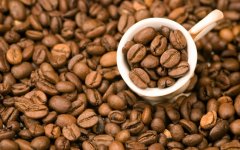
Boutique coffee bean producing countries introduce Malagasy coffee
The Malagasy government plans to develop about 2000 hectares of Robbite coffee plantations and about 5000 hectares of Arabica coffee plantations. Therefore, the development of the coffee industry on the island depends on its potential in Arabian coffee, and once successfully developed, this coffee is expected to become the best. The origin of Madagascar coffee: Madagascar (Madagascar) is basically Robbins.
The characteristics of Malagasy coffee
The Malagasy government plans to develop about 2000 hectares of Robbite coffee plantations and about 5000 hectares of Arabica coffee plantations. Therefore, the development of the coffee industry on the island depends on its potential in Arabian coffee, and once successfully developed, this coffee is expected to become the best. The origin of Madagascar coffee: Madagascar (Madagascar) is basically Robbins.
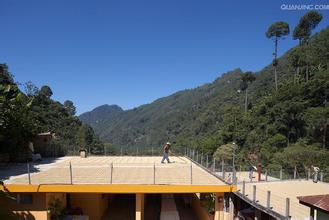
Malagasy coffee, the specialty of Arabica beans
Madagascar (Madagascar) is basically a producer of Robbins coffee, but plans to increase the cultivation of Arabica beans. Since 1989, the coffee industry on the island has been privatized and many regulations have been lifted, with a total output of about 1 million bags a year. As Malagasy people like to drink coffee, the domestic consumption of coffee is very high. The country
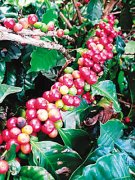
Robusta Coffee Bean Grown in Which Areas Are Grown in Robusta
Madagascar is basically a producer of Robaik coffee, but there are plans to increase the cultivation of Arabica coffee beans. Since 1989, the island's coffee industry has been privatized and deregulated, with total coffee production reaching around 1 million bags per year. Domestic consumption of coffee is high because Malagasy people like to drink coffee. The country's Robert

Dagaska is basically the producer of Robbins coffee and the cultivation of Arabica coffee beans.
Boutique coffee has a rich and beautiful taste. Even if the coffee made of boutique coffee beans is not all fine coffee, it depends on whether it gives full play to the characteristics of coffee beans, whether it has a good taste, if not, it can not be called boutique coffee. Madagascar is basically a producer of Robbins Coffee, but has plans to increase

The Central Mountains of Madagascar | the flavor of washed Arabica and Robusta coffee beans?
Professional coffee knowledge exchange more coffee bean information please follow the coffee workshop (Wechat official account cafe_style) Madagascar's Central Mountains | what is the flavor of washed Arabica and Robusta coffee beans? Producing area: the central mountain range of Madagascar. Altitude: 3600-4900 feet, natural organic pollution-free, fertile volcanic soil type. Environment: annual average temperature 24 ℃
How to correctly use Coffee tools Coffee Coffee is the usual practice of Coffee
Madagascar (Madagascar) is basically a producer of Robbins Coffee, but plans to increase the cultivation of Arabica beans. Since 1989, the coffee industry on the island has been privatized and many regulations have been lifted, with a total output of about 1 million bags a year. As Malagasy people like to drink coffee, the domestic consumption of coffee is very high. The country's Robbins

Malagasy street coffee culture how about Malagasy coffee
In Madagascar, coffee has become a national obsession and an important part of daily life. At its core are street vendors who devote their lives to the whole process from beans to cups. But being a street vendor here not only means drinking coffee, but also providing important social services for every cup of coffee. Let's explore Madagascar's fascinating coffee culture. Coffee is

Madagascar is basically the producer of Robbins coffee, commercial coffee beans.
The term "fine coffee" was first put forward by Ms. Knudsen of the United States in Coffee and Tea magazine. At that time, Ms. Knudsen, as a coffee buyer at B.C. Ireland in San Francisco, was very dissatisfied with the neglect of the quality of raw coffee in the industry, and even some big roasters mixed a large amount of Robesda beans in the comprehensive beans, so she put forward the concept of boutique coffee.

Nicaraguan coffee pointed bourbon natural semi-decaf coffee what is decaf coffee
Professional coffee knowledge exchange more coffee bean information please follow the coffee workshop (Wechat official account cafe_style) Nicaragua Mierisch El Minita Laurina Natural Nicaragua Mierui boast estate Minita sun sharp body wave next to natural semi-low caffeine coffee tip next to the natural very low caffeine, rare, meticulous and charming fragrance, for
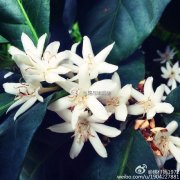
Rwandan premium coffee comes from washed Arabica beans with a unique and perfect wind
Madagascar is basically a producer of Robaik coffee, but there are plans to increase the cultivation of Arabica coffee beans. Since 1989, the island's coffee industry has been privatized and deregulated, with total coffee production reaching around 1 million bags per year. Domestic consumption of coffee is high because Malagasy people like to drink coffee. The country's Robert

Arabica coffee with rich aroma Taste Manor Introduction Arabica coffee bean characteristics
Bourbon was introduced to the Americas by French immigrants from the Island of Bourbon (today's French Island of Reunion, located in the Indian Ocean east of Madagascar) in the 18th century, and is now widely cultivated in Brazil and other Western Hemisphere regions, and a small amount is also cultivated in Yunnan, China. Caffeine content of subspecies Bobang is 20%~30% higher than that of subspecies Tibika, but it is higher than that of subspecies Tibika.

Robusta coffee beans commercial coffee beans
The bean shape is larger, the front is gradually round, the back is round and convex, and the crack is straight. Robasta coffee trees are native to Madagascar in central and western Africa and Indonesia in Asia, and account for about 20% to 30% of the world's output. Robasta coffee tree is suitable for planting in the lowlands below 500 meters above sea level. It has strong adaptability to the environment, can resist the harsh climate and resist.

Commercial beans Robusta coffee beans
The bean shape is larger, the front is gradually round, the back is round and convex, and the crack is straight. Robasta coffee trees are native to Madagascar in central and western Africa and Indonesia in Asia, and account for about 20% to 30% of the world's output. Robasta coffee tree is suitable for planting in the lowlands below 500 meters above sea level. It has strong adaptability to the environment, can resist the harsh climate and resist.

Robasta seed bean shape larger, obverse gradually round, convex abaxial, crack straight
Bean shape is larger, the front gradually round, the back was round convex, crack straight. Robasta coffee trees are native to Madagascar in central and western Africa and Indonesia in Asia, accounting for about 20% to 30% of the world's production. Robasta coffee tree is suitable for planting in lowlands below 500 meters above sea level, and is extremely adaptable to the environment, able to resist harsh weather and resist

Characteristics of Coffee beans in Latin America Flavor description and taste treatment in growing area
The characteristics of Latin American coffee beans: flavor description of the growing area the bourbon species was introduced to America by French immigrants from Island of Bourbon (today's French island of Reunion Island of Reunion, located in the Indian Ocean east of Madagascar) in the 18th century, and is now widely cultivated in the Western Hemisphere, such as Brazil, and a small amount in Yunnan, China. Bourbon
[coffee beans] Java coffee beans in Indonesia
Java Coffee, whose English name is java coffee, is also translated as Java Coffee. Java coffee (java Java coffee) planting distribution Java coffee beans (coffee powder) belong to: Robasda (Robusta) varieties, mainly distributed in African countries such as C ô te d'Ivoire, Angola, Madagascar and the Philippines, Vietnam and Indonesia (Java) and other places. Java coffee growing environment